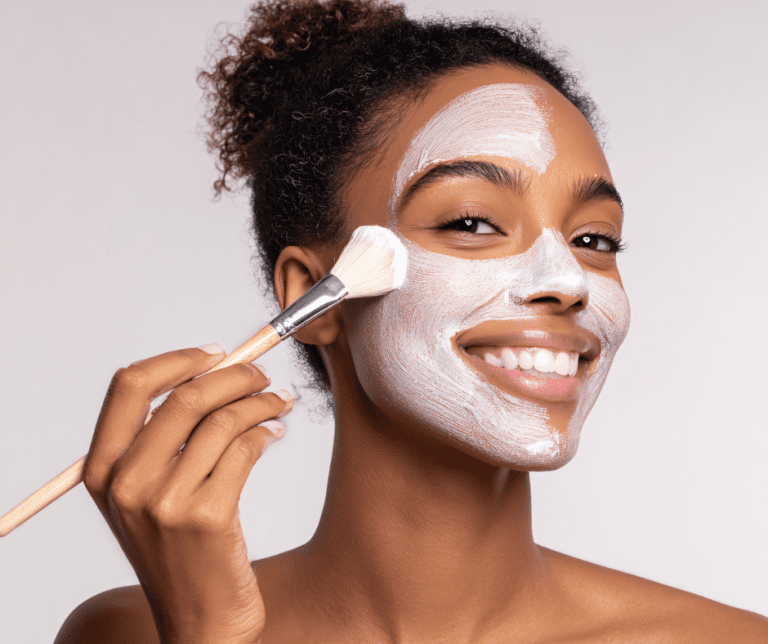
You’ve probably seen charts online saying “don’t mix this with that” — and while they’re useful starting points, skincare isn’t always that simple.
How ingredients interact depends on their strength, formulation, skin type, and even where you’re using them (like a humid beach vs an air-conditioned office).
Let’s make it real and practical.
🧠 1. Concentration Matters
The higher the percentage, the higher the activity — and sometimes, the higher the risk.
For example:
- A 0.5–2% Salicylic Acid cleanser is rinse-off and generally safe even with other actives because contact time is short.
- A 2% leave-on BHA toner or serum, though, penetrates deeper and may over-exfoliate if layered with Retinoids or Vitamin C in the same routine.
- A 10% AHA toner can be mild for some but intense for barrier-compromised skin.
💡 Rule of thumb:
If a product stings, flakes, or burns, your skin barrier is asking for a break — not more actives.

⚗️ 2. Formulation Type Changes Compatibility
The same ingredient can behave differently depending on its base:
- Water-based formulas (like cleansers, toners, gels) tend to rinse or absorb quickly → usually safer in combinations.
- Leave-on treatments (like serums and creams) stay longer → higher potential for interaction.
- Oil-based or encapsulated actives (like retinal or bakuchiol) often release more slowly → gentler on skin.
So yes — your Salicylic Acid cleanser might pair fine with Retinol later at night,
but a leave-on Salicylic toner + Retinol serum combo? That’s when sensitivity kicks in.
💧 3. Your Skin Type & Barrier Health Matter Most
What’s safe for one person can trigger redness in another.
| Skin Type | What to Watch For | Adjustments |
| Sensitive / Reactive | Stinging with acids or retinoids | Introduce one active at a time; buffer with moisturizer |
| Oily / Acne-Prone | Over-drying or purging | Use low-pH BHA/AHA no more than 3× per week |
| Dry / Dehydrated | Flaking or tightness | Focus on hydrating actives (HA, Panthenol, Ceramides) |
| Balanced / Normal | Occasional irritation | Rotate actives and avoid layering too many exfoliants |
☀️ 4. Environment & Lifestyle Affect Tolerance
- Beach days / high UV exposure: Avoid using retinoids or strong acids the night before or morning of.
- Cold or dry climates: Skin barrier is more fragile — reduce exfoliation frequency.
- Indoor or humid environments: You may tolerate more frequent use due to better moisture retention.
🧴 Always anchor your routine with hydration and SPF — they stabilize your skin’s tolerance to actives.
⏱️ 5. Timing and Frequency Are Key
You don’t have to apply all actives daily.
Your skin benefits more from consistency + spacing than overload.
Example for moderate skin tolerance:
- AM: Vitamin C + Niacinamide + SPF
- PM (alternate nights): AHA/BHA → Rest night → Retinol → Rest night
When using a new product:
👉 Start 2–3 nights per week, then increase slowly after 2–3 weeks.
💬 6. Think “Combinations in Context,” Not Rules in Stone
| Situation | Example | How to Adjust |
| Using a low-pH acid cleanser (e.g. 0.5% Salicylic) | You want to apply Retinol afterward | ✅ OK if skin isn’t irritated; add a hydrating toner in between |
| Using a 10% AHA toner + Vitamin C serum | Feels tingly or dry | ⚠️ Separate AM/PM or alternate days |
| Using Retinoid + Peptides | Goal: anti-aging | ✅ Excellent combo; peptides boost retinoid repair |
| Using AHA/BHA + Niacinamide | Mild redness | ⚠️ Separate AM/PM or add buffer step with moisturizer |
🧬 The Smarter Way to Read a Label
Before mixing products, always ask:
- What’s the active concentration? (Higher = more caution)
- Is it rinse-off or leave-on?
- What’s my skin’s current condition? (Barrier strong or sensitive?)
- Am I exposing my skin to UV soon?
- Is there overlap? (e.g., two exfoliants = double strength, not double benefit)
When in doubt, simplify — one active per routine, hydration in between, and SPF always on top.
Understanding the Core Actives
Let’s demystify the ingredients you see most often — what they are, what they do, when to use them, and how long it takes to see visible changes.
1. AHA (Alpha Hydroxy Acids)
Examples: Glycolic Acid, Lactic Acid, Mandelic Acid
What it is: Water-soluble exfoliants that remove dead surface skin cells to reveal smoother, brighter skin.
Best for: Dullness, rough texture, fine lines, uneven tone
When to use:
- PM only, 1–3× per week depending on tolerance
- Avoid right before sun exposure or beach days
Results timeline: 4–8 weeks for texture and glow
Pro tip: Follow with barrier-restoring ingredients like Centella, Panthenol, or Ceramides.
2. BHA (Beta Hydroxy Acid / Salicylic Acid)
What it is: Oil-soluble exfoliant that clears deep within pores to dissolve sebum and prevent breakouts.
Best for: Oily, acne-prone, blackhead-prone skin
When to use:
- PM, 2–3× per week
- Low concentrations (≤0.5%) in cleansers are generally safe daily because they rinse off.
- Leave-on formulas (1–2%) should not be combined with strong actives like Retinoids or Vitamin C on the same night.
Results timeline: 2–6 weeks for smoother texture and fewer breakouts
Pro tip: Always moisturize after BHA to prevent barrier dehydration.
3. Niacinamide (Vitamin B3)
What it is: A multi-functional antioxidant that improves skin tone, minimizes pores, and strengthens the moisture barrier.
Best for: Enlarged pores, uneven tone, redness, or sensitivity
When to use: AM & PM, daily
Results timeline: 4–8 weeks for tone and barrier improvements
Pro tip: Pairs beautifully with almost everything — especially Vitamin C derivatives and Peptides.
4. Vitamin C (Ascorbic Acid & Derivatives)
What it is: A potent antioxidant that brightens dull skin, fades hyperpigmentation, and protects from UV damage.
Best for: Dullness, dark spots, fine lines, uneven tone
When to use:
- AM for antioxidant protection before SPF
- Use pure L-Ascorbic Acid separately from acids or retinoids to avoid pH conflict
Results timeline: 6–12 weeks for visible brightness
Pro tip: Store in a cool, dark place — Vitamin C oxidizes easily.
5. Retinoids (Retinol, Retinal, Bakuchiol, PDRN blends)
What it is: Vitamin A derivatives that increase cell turnover and stimulate collagen for smoother, firmer skin.
Best for: Fine lines, wrinkles, acne, uneven texture
When to use:
- PM only, start 1–2× per week and increase as tolerated
- Always pair with SPF in the morning
Results timeline: 8–12 weeks for texture and firmness
Pro tip: - Retinal (Retinaldehyde): Faster results with less irritation than Retinol.
- Bakuchiol: Plant-based alternative suitable for sensitive or expecting users.
- PDRN: A skin-repairing molecule (from DNA fragments) that supports regeneration — often used alongside or after retinoids to minimize irritation.
6. Hyaluronic Acid
What it is: A powerful humectant that draws and retains water in the skin, giving a plump, hydrated look.
Best for: Dryness, tightness, dehydration
When to use: AM & PM, under moisturizer
Results timeline: Immediate plumping; 8+ weeks for fine-line improvement
Pro tip: Apply on damp skin, then seal with moisturizer to prevent transepidermal water loss.
7. Peptides
What it is: Short chains of amino acids that signal the skin to produce collagen and elastin.
Best for: Loss of firmness, wrinkles, or dull tone
When to use: AM or PM, after exfoliants or retinoids
Results timeline: 6–12 weeks
Pro tip: Pair with hydrating serums or Retinoids for synergistic firming effects.
8. Tranexamic Acid / Glutathione
What it is: Brightening agents that inhibit melanin production and fade discoloration.
Best for: Pigmentation, dark spots, post-acne marks
When to use: AM or PM, alternate with acids or retinoids
Results timeline: 6–10 weeks for even tone
Pro tip: Use alongside Vitamin C for enhanced glow, but avoid layering directly with strong acids.
9. Azelaic Acid
What it is: A dicarboxylic acid with antibacterial and brightening effects that also calms redness.
Best for: Rosacea, acne, pigmentation
When to use: AM or PM, up to 2× daily depending on sensitivity
Results timeline: 8–16 weeks
Pro tip: Excellent transitional ingredient if your skin can’t tolerate strong acids or retinoids.
10. Centella Asiatica / Madecassoside
What it is: Soothing plant extracts known for their healing and anti-inflammatory benefits.
Best for: Redness, irritation, barrier repair
When to use: Anytime — especially after exfoliants or retinoids
Results timeline: Continuous comfort and barrier strengthening
Pro tip: Great “buffer” ingredient for sensitive routines or actives beginners.
How to Layer Your Actives Safely — The Real-World Guide
Now that you know what each ingredient does, let’s talk about how to combine them effectively without stressing your skin.
Formulation strength, texture, and timing all matter — but so does your lifestyle, your barrier, and even the weather.
🧭 1. Layer by Texture, Not Hype
Always apply from lightest to heaviest texture:
- Watery toners and essences
- Serums
- Creams or oils
- Sunscreen (always last in the morning)
💡 This helps each product absorb properly instead of competing on your skin’s surface.
⏱️ 2. Give Each Step a Moment
Allow short pauses for actives to settle and pH to rebalance:
| Product Type | Ideal Wait Time | Why It Helps |
| AHA/BHA Toner | 10 minutes | Lets acids finish exfoliating before layering other actives |
| Vitamin C Serum | 5 minutes | Improves absorption, reduces pilling |
| Retinoid / Retinal | 15 minutes | Gives skin time to adjust and minimizes irritation |
| SPF | Apply 15 minutes before going outdoors | Allows film to form for full protection |
⚖️ 3. Match Your Actives to Your Day
Your skin’s needs shift throughout the day — antioxidants in the morning, cell-renewers at night.
☀️ Morning (Protect & Brighten)
- Cleanser
- Hydrating toner
- Vitamin C or Niacinamide serum
- Moisturizer
- SPF 30 +
Focus: Protection from UV and pollution.
🌙 Evening (Renew & Repair)
Alternate nights to prevent irritation:
- Night A – Exfoliation: Cleanser → AHA/BHA → Soothing essence → Peptide or barrier cream
- Night B – Renewal: Cleanser → Retinoid / PDRN → Hydrating serum → Moisturizer
- Night C – Recovery: Cleanser → Centella / Ceramide serum → Moisturizer
🌤️ 4. Consider Your Environment
| Scenario | Adjustments |
| Beach or high-UV exposure | Skip acids or retinoids 24 h before; use antioxidant + SPF 50 + in AM |
| Cold or dry climate | Reduce exfoliation; layer HA + Ceramide; use richer moisturizer |
| Humid environment | Opt for lighter gel textures; still seal hydration with SPF |
| Barrier compromised (flaking, burning, redness) | Pause all exfoliants & retinoids; focus on HA, Panthenol, Centella |
💧 5. How Often to Use Each Active
| Active | Beginner Frequency | After 4 Weeks | Notes |
| AHA | 1–2× week | 2–3× week | Always at night |
| BHA | 2× week | Up to 3× week | Rinse-off forms may be daily |
| Niacinamide | Daily | Daily | Universal, barrier-friendly |
| Vitamin C | Daily (AM) | Daily | Must pair with SPF |
| Retinoids / PDRN | 1–2× week | 3–4× week | Increase slowly |
| Hyaluronic Acid | Daily | Daily | Apply on damp skin |
| Peptides | Daily | Daily | Pair with retinoids or post-acid |
| Tranexamic / Glutathione | 3× week | Daily (if tolerated) | Alternate with acids |
| Azelaic Acid | 1× day | 2× day | Gentle brightener for sensitive skin |
⚗️ 6. Smart Pairing Map
| Mix | Result | Recommendation |
| Niacinamide + Vitamin C (derivatives) | Brightening synergy | ✅ Safe anytime |
| Peptides + Retinoids | Enhanced firming | ✅ Great for PM |
| AHA/BHA + Centella or Ceramides | Balanced exfoliation | ✅ Always pair |
| Vitamin C + SPF | UV defense boost | 💯 Must |
| AHA/BHA + Retinoids | Risk of peeling | ⚠️ Alternate nights |
| Pure Vitamin C + AHA/BHA | pH conflict | ⚠️ Separate AM/PM |
| Niacinamide + AHA/BHA | Mild irritation | ⚠️ Use Niacinamide AM, acids PM |
🧴 7. The “Context Rule” to Always Remember
Before deciding if an ingredient mix is safe, check:
- Concentration – higher % = more caution
- Formulation type – rinse-off vs leave-on
- Your barrier state – is your skin dry, flaky, or calm?
- Environment – UV exposure, temperature, humidity
- Frequency – daily vs weekly use
💡 If two actives technically “conflict,” you can still use both — just not in the same routine.
🌙 8. When in Doubt, Simplify
If your skin ever feels hot, itchy, or flaky, go back to basics:
- Cleanser
- Hydrating toner
- HA + Centella serum
- Moisturizer
- SPF
Let your barrier recover before reintroducing actives one at a time.
🌙 IrelKGlow’s Pro Tip
Your routine should work with your skin, not against it.
Every formula has its own personality — listen to your skin, rotate your actives, and balance intensity with care.